
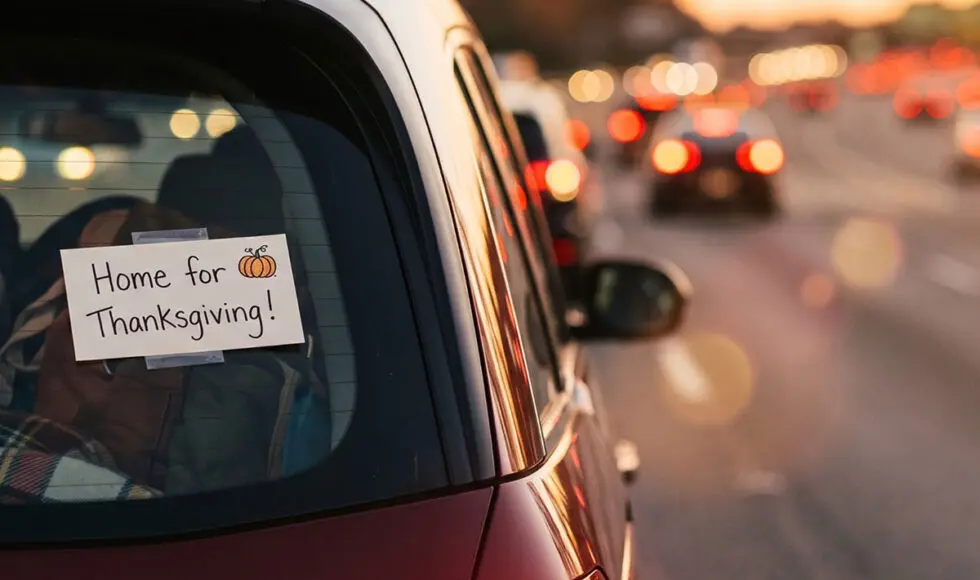
Thanksgiving Travel Accident? What to do if you’re injured on the road
Thanksgiving is one of the busiest travel holidays of the year. As families travel across California to spend time with loved ones, highways become more congested, travel times increase, and drivers face additional challenges on the road.
Whether you’re driving across San Diego county, heading north towards Los Angeles, or traveling across state lines, the holiday rush can create conditions that increase the risk of motor vehicle collisions.
Unfortunately, even a short drive to a family gathering can turn into a stressful and unexpected situation when an accident occurs.
If you or someone you love is injured in a Thanksgiving car accident, knowing how to respond can help protect your health, preserve important evidence, and safeguard your legal options.
Understanding the risks of Thanksgiving travel
Thanksgiving consistently ranks among the busiest travel periods in the United States. With millions of Americans traveling to celebrate the holiday, increased traffic and impaired driving can create additional risks for motorists.
According to the National Highway Traffic Safety Administration, 286 people were killed in traffic crashes during the 2024 Thanksgiving holiday weekend. Of those fatalities, 45% involved people who were not wearing seatbelts.
Impaired driving is another significant concern. During Thanksgiving Eve in 2024, 99 drivers were involved in fatal traffic crashes, and 33% of those drivers were legally impaired by alcohol.
Several factors can contribute to holiday-related collisions:
Increased traffic congestion: More vehicles on the road can lead to sudden stops, rear-ending collisions, and traffic-related accidents.
Distracted driving: Drivers navigating unfamiliar routes, checking GPS directions, or communicating with family members may become less attentive.
Impaired driving: Holiday celebrations can involve alcohol consumption, increasing the risk of collisions involving impaired drivers.
Driver fatigue: Long-distance travel and extended driving hours can affect concentration and reaction times.
Weather and road conditions: rain, reduced visibility, and unfamiliar roadways can create additional driving hazards.
Understanding these risks is important, but knowing how to respond when a collision occurs can be just as critical.
The first steps to take after a collision
Being involved in a car accident can be overwhelming, especially when you’re traveling away from home or trying to reach a holiday destination. Taking a few important steps immediately afterward can help protect everyone involved and create a record of what happened.
Put safety first
Your immediate priority should be everyone’s safety.
Check yourself and your passengers for injuries. If anyone is hurt, call 911 and request emergency assistance.
Even if the collision appears minor, injuries such as whiplash, concussions, and soft tissue damage may not become immediately noticeable. If you suspect an injury, seek medical attention as soon as possible.
Get out of harm’s way
If the vehicles are operable and it is safe to do so, move them out of active traffic to prevent additional collisions.
On busy highways, avoid standing near moving vehicles or walking into traffic to inspect damage. Follow instructions from emergency responders and law enforcement.
Why reporting the accident matters
Contact the appropriate law enforcement agency to report the collision.
A police report can provide important documentation about the circumstances surrounding the crash, including the drivers involved, witness information, and observations made at the scene.
California generally requires drivers involved in collisions resulting in injury or death to report the collision to law enforcement within 24 hours. A separate DMV report, known as an SR-1, is generally required within 10 days when a collision results in injury, death, or property damage exceeding $1,000.
Information to collect at the scene
When possible, exchange information with everyone involved in the collision.
Important details to collect include:
- Full names and contact information
- Driver’s license information
- Vehicle registration information
- Insurance company and policy information
- License plate numbers
- Vehicle descriptions
If there are witnesses, ask for their names and contact information as well.
Avoid speculating about what caused the collision or accepting responsibility before the circumstances have been investigated.
Preserve important evidence
If it is safe to do so, take photographs and videos of the accident scene. Useful documentation may include:
- Damage to all vehicles involved
- The surrounding roadway and intersection
- Traffic signals and road signs
- Weather and visibility conditions
- Visible injuries
- Debris or other physical evidence
These details may become important when determining how the collision occurred and who may be responsible.
Dealing with insurance after a crash
Contact your insurance company to report the collision and understand the next steps for your policy.
Be cautious about providing recorded statements to another driver’s insurance company or signing settlement documents before understanding the potential impact on your claim. An early settlement may not account for the full extent of your injuries or future medical needs.
Injured away from home? Understanding your options
Thanksgiving often involves traveling across state lines to visit relatives or attend holiday gatherings. Unfortunately, an accident can happen far from home, making an already stressful situation more complicated.
If you’re involved in a collision outside California, the laws governing your personal injury claim may differ depending on where the accident occurred.
Factors such as the location of the collision, applicable state laws, insurance coverage, and where the parties reside can affect how a claim is handled.
If you’re injured while traveling, prioritize medical attention and preserve all available documentation. You may also want to consult an attorney familiar with the laws applicable to your accident to understand your options.
Determining liability after a holiday collision
Determining responsibility after a collision requires examining the circumstances surrounding the incident, including the actions of each driver and any other factors that may have contributed to the crash.
Under California law, drivers have a responsibility to exercise reasonable care when operating their vehicles. A driver who causes a collision through negligent behavior may be held financially responsible for resulting injuries and damages.
Common examples of negligent driving include:
- Driving under the influence of alcohol or drugs.
- Texting or using a phone while driving.
- Following another vehicle too closely.
- Speeding or driving too fast for road conditions.
- Failing to obey traffic signals.
- Making unsafe lane changes or turns.
California follows a comparative negligence system. This means an injured person may still recover compensation even if they share some responsibility for the collision. However, their compensation may be reduced according to their percentage of fault.
Understanding the damages you may be entitled to recover
When another driver’s negligence causes an accident, injured individuals may have the right to pursue compensation through a personal injury claim.
Depending on the circumstances, recoverable damages may include:
Medical expenses: emergency room visits, hospital stays, surgery, physical therapy, medication, and ongoing medical treatment.
Lost wages: income lost because of injuries prevent you from working or performing your regular job duties.
Future medical expenses: Anticipated medical treatment, rehabilitation, or other long-term care related to your injuries.
Pain and suffering: compensation for physical pain, emotional distress, and the impact injuries have on your daily life.
Property damage: costs associated with repairing or replacing your damaged vehicle and other personal property.
The amount of compensation available depends on the severity of the injuries, the available evidence, applicable insurance coverage, and other circumstances surrounding the collision.
California’s deadline for filing a personal injury lawsuit
If you’re considering pursuing a personal injury claim after a car accident, it’s important to understand California’s statute of limitations.
California generally provides two years from the date of injury to file a personal injury lawsuit arising from negligence.
However, certain exceptions may apply. For example, claims involving government entities generally have much shorter administrative deadlines.
Waiting too long to pursue a claim can also make it more difficult to preserve evidence, locate witnesses, and document injuries.
Speaking with an attorney early can help you understand the deadlines that apply to your situation.
Moving forward after an unexpected accident
The holidays should be a time to reconnect with family and friends, not deal with the unexpected consequences of a serious car accident.
If you or someone you love has been injured while traveling this Thanksgiving, understanding your legal rights is an important first step.
At Eugene Bruno & Associates, we represent individuals injured in motor vehicle accidents throughout San Diego and Southern California.
Our team can help evaluate the circumstances surrounding your collision, explain your legal options and determine the next steps toward pursuing compensation.
Contact Eugene Bruno & Associates to discuss your situation and learn more about your options following a car accident.
 “I would highly recommend Eugene Bruno & Associates! They helped me out with a case of mine and everything worked out perfectly. I worked with Amir, one of the lawyers and he was amazing. Definitely would work with him again. Thank you!”
- Mona Hakim, Google Review- “This people deserve more than 5 stars. I would highly recommend them to anyone.”
- Faisal A., Google Review - “You will not be disappointed hiring these guys. Eugene Bruno & Associates are the best car accident lawyers in San Diego and I recommend them 100%!!”
- Adam C., Google Review - “Take the time to speak with Mr. Bruno, he will definitely help you and guide you and make you feel like family! Best decision I have made, I went with the best. Thank you! Thank you! Thank you!!!!!”
- Lakeisha E., Google Review
 “I would highly recommend Eugene Bruno & Associates! They helped me out with a case of mine and everything worked out perfectly. I worked with Amir, one of the lawyers and he was amazing. Definitely would work with him again. Thank you!”