
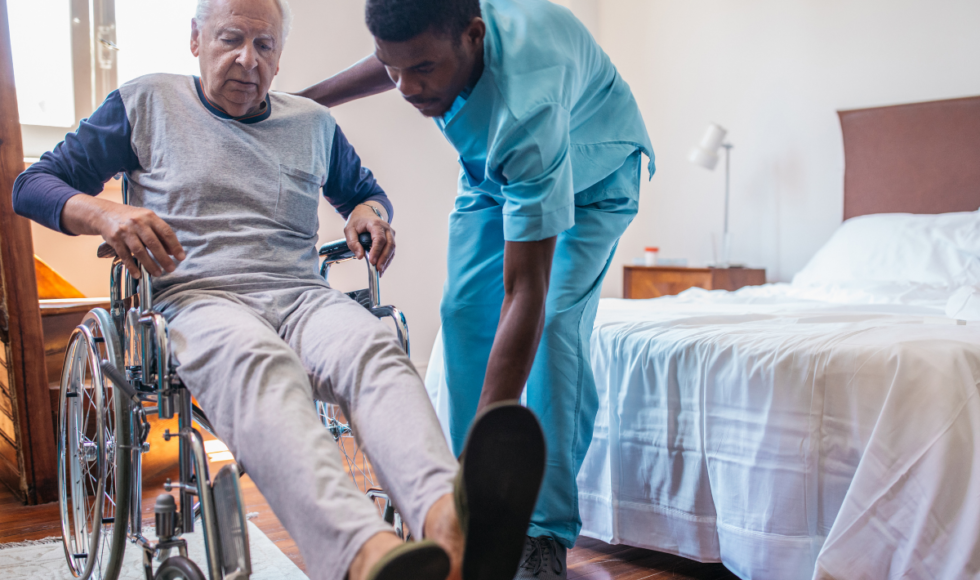
Summer Infections in Nursing Homes: When Preventable Illnesses May Be a Sign of Neglect
Summer is a time when many families visit aging loved ones, enjoy outdoor activities, and spend more time together. However, warmer weather can also increase certain health risks for nursing home residents. While infections can occur in any healthcare setting, some illnesses are preventable with proper care, supervision, and infection-control practices. When a nursing home fails to provide appropriate care, a preventable infection may be a warning sign of neglect.
The Chula Vista personal injury attorneys at Eugene Bruno & Associates can review your situation and advise on your legal options.
Why Nursing Home Residents Face Greater Risks
Older adults are often more vulnerable to infections due to weakened immune systems, chronic health conditions, and reduced mobility. Residents may rely entirely on staff to help them stay hydrated, maintain proper hygiene, monitor changes in their health, and seek medical attention when symptoms arise.
When these basic needs are neglected, seemingly minor health issues can quickly become serious medical emergencies.
Common Summer Infections in Nursing Homes
Urinary Tract Infections (UTIs)
Dehydration is more common during the summer months and can increase the risk of UTIs. In elderly residents, symptoms may not be obvious. Instead of reporting pain or discomfort, a resident may experience confusion, lethargy, agitation, or sudden behavioral changes.
Without prompt diagnosis and treatment, a UTI can progress to a severe infection requiring hospitalization.
Skin Infections
Heat and moisture can contribute to skin breakdown, especially for residents who spend extended periods in bed or use wheelchairs. Nursing homes should regularly inspect residents’ skin, assist with hygiene, and address pressure injuries before they worsen.
Untreated skin conditions can develop into painful infections that significantly impact a resident’s health and quality of life.
Respiratory and Gastrointestinal Illnesses
Because nursing homes are communal environments, contagious illnesses can spread quickly when proper sanitation and infection-control measures are not followed. Staff should monitor symptoms, encourage hand hygiene, and take appropriate precautions to reduce outbreaks.
When an Infection May Indicate Neglect
Not every infection is caused by neglect. However, families should pay attention if infections are accompanied by signs such as:
- Poor personal hygiene
- Unexplained dehydration
- Delayed medical treatment
- Frequent or recurring infections
- Unexplained weight loss
- Bedsores or skin breakdown
- Sudden declines in physical or cognitive health
These issues may suggest that a facility is failing to provide the level of care residents deserve.
What Families Can Do
During visits, take time to observe your loved one’s overall condition. Ask questions about hydration, recent illnesses, staffing levels, and any changes in health. If your loved one appears unusually confused, weak, dehydrated, or unwell, do not hesitate to speak with medical staff and request additional information.
Family involvement often plays an important role in identifying problems before they become serious.
Holding Nursing Homes Accountable
Nursing homes have a legal and ethical obligation to provide residents with appropriate care and protection from preventable harm. When facilities fail to monitor residents, maintain proper hygiene, provide adequate staffing, or respond to medical concerns, the consequences can be devastating.
If you suspect that a loved one’s infection was caused or worsened by neglect, it may be important to investigate whether the facility met its responsibilities. Holding negligent facilities accountable can help protect vulnerable residents and prevent similar harm from happening to others.
If you have concerns about a loved one’s care in a nursing home or assisted living facility, an experienced nursing home abuse and neglect attorney can help you understand your rights and evaluate your legal options.
To learn more, contact the Chula Vista nursing home neglect attorneys at Eugene Bruno & Associates.
Call 1-888-BRUNO-88 (1-888-278-6688) to schedule your free consultation today.
 “I would highly recommend Eugene Bruno & Associates! They helped me out with a case of mine and everything worked out perfectly. I worked with Amir, one of the lawyers and he was amazing. Definitely would work with him again. Thank you!”
- Mona Hakim, Google Review- “This people deserve more than 5 stars. I would highly recommend them to anyone.”
- Faisal A., Google Review - “You will not be disappointed hiring these guys. Eugene Bruno & Associates are the best car accident lawyers in San Diego and I recommend them 100%!!”
- Adam C., Google Review - “Take the time to speak with Mr. Bruno, he will definitely help you and guide you and make you feel like family! Best decision I have made, I went with the best. Thank you! Thank you! Thank you!!!!!”
- Lakeisha E., Google Review
 “I would highly recommend Eugene Bruno & Associates! They helped me out with a case of mine and everything worked out perfectly. I worked with Amir, one of the lawyers and he was amazing. Definitely would work with him again. Thank you!”