
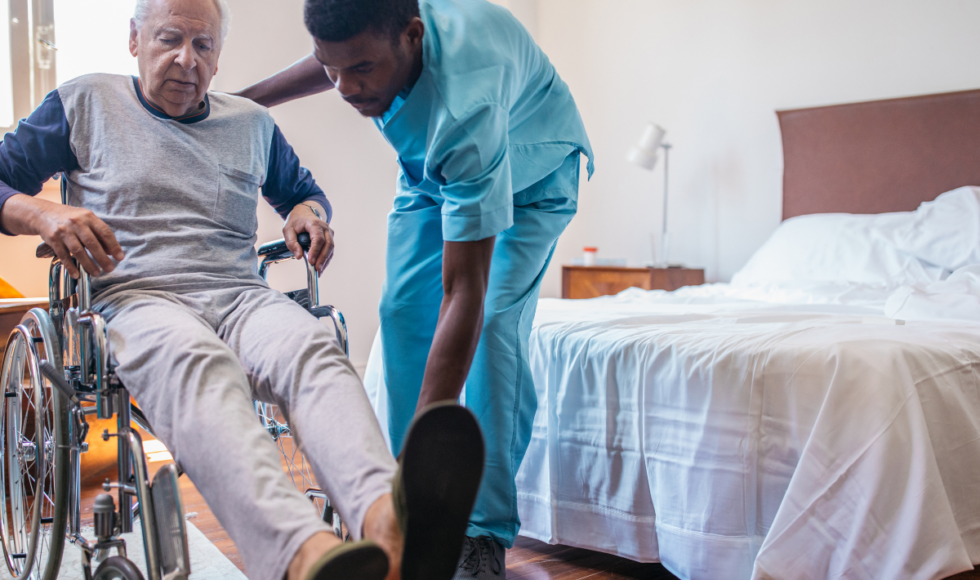
What Families Overlook Before Choosing a Nursing Home
Choosing a nursing home for a loved one is one of the most important decisions a family can make. Many families focus on appearance, location, or cost, but some of the most important warning signs are often overlooked during the decision-making process.
Unfortunately, families sometimes do not discover problems until after a loved one experiences neglect, injuries, poor care, or emotional harm.
Taking the time to ask deeper questions and look beyond first impressions can help families make more informed decisions and better protect aging loved ones.
Appearance Does Not Always Reflect Quality of Care
A clean lobby and friendly tour do not necessarily reflect the quality of daily care residents receive.
While appearance matters, families should also pay attention to:
- Staff interactions with residents
- Response times to call buttons
- Resident hygiene
- Staffing levels
- Overall resident mood and engagement
Some facilities present well during tours while serious issues remain hidden behind closed doors.
Staffing Levels Matter More Than Families Realize
One of the biggest factors affecting resident safety is staffing.
Understaffed facilities may struggle with:
- Delayed assistance
- Missed medications
- Poor supervision
- Increased falls
- Poor hygiene
- Neglect
Families should ask:
- How many residents does each caregiver assist?
- What is the staff turnover rate?
- Are nurses available overnight?
- How often are temporary staff members used?
Consistent staffing is often a strong indicator of stable care.
Families Often Ignore Staff Turnover
High employee turnover can signal deeper problems within a facility.
Frequent staffing changes may affect:
- Continuity of care
- Communication
- Resident comfort
- Accountability
Long-term caregivers are more likely to notice subtle changes in a resident’s health or behavior.
Online Reviews Only Tell Part of the Story
Online ratings can be helpful, but they should not be the only factor guiding a decision.
Families should also:
- Visit multiple times
- Tour during different hours
- Observe meal times
- Speak with residents and families when possible
A facility may appear very different during evenings or weekends than during scheduled tours.
Families Forget to Review Inspection Histories
The California Department of Public Health (“CDPH”) makes many inspection, complaint, and enforcement records available to the public through its Cal Health Find database. Yet, many families overlook these public inspection reports and complaint histories before choosing a facility.
Reviewing past violations may reveal patterns involving:
- Falls
- Medication errors
- Abuse allegations
- Infection control issues
- Neglect concerns
Repeated violations should not be ignored.
Emotional Well-Being Is Often Overlooked
Physical care is important, but emotional health matters too.
Families should observe:
- Whether residents appear lonely/isolated
- Opportunities for social activities
- Staff attitudes toward residents
- Signs of depression or withdrawal
A safe environment should support dignity, respect, and quality of life — not just basic medical needs.
Poor Communication Can Become a Major Problem
Families should pay attention to how staff communicate during the initial process.
Warning signs may include:
- Avoiding direct answers
- Difficulty reaching staff
- Lack of transparency
- Rushed conversations
- Inconsistent information
Communication problems early on may continue after admission.
Pressure to Make Fast Decisions
Families under stress after a hospitalization or medical emergency may feel pressured to choose a nursing home quickly.
Whenever possible:
- Visit more than one facility
- Ask detailed questions
- Bring another family member or advocate
- Take time to review documents carefully
Rushed decisions can sometimes lead to overlooked concerns.
Watch for Red Flags During Visits
Potential warning signs include:
- Strong odors
- Residents left unattended
- Poor hygiene
- Call lights going unanswered
- Staff appearing overwhelmed
- Residents who seem fearful or withdrawn
Trust your instincts if something feels wrong.
Choosing a nursing home involves more than finding a clean building or convenient location. Families should look closely at staffing, communication, resident well-being, safety history, and the overall quality of care being provided.
Asking difficult questions early may help families avoid serious problems later and ensure aging loved ones receive the dignity, respect, and care they deserve.
Speak With a Trusted Nursing Home Abuse Lawyer in San Diego
If you have any concerns about the safety of your loved one, we want to hear about it. The San Diego nursing home abuse lawyers at Eugene Bruno & Associates are ready to answer any questions you have. Call 1-888-BRUNO-88 (1-888-278-6688) to schedule a free consultation today.
 “I would highly recommend Eugene Bruno & Associates! They helped me out with a case of mine and everything worked out perfectly. I worked with Amir, one of the lawyers and he was amazing. Definitely would work with him again. Thank you!”
- Mona Hakim, Google Review- “This people deserve more than 5 stars. I would highly recommend them to anyone.”
- Faisal A., Google Review - “You will not be disappointed hiring these guys. Eugene Bruno & Associates are the best car accident lawyers in San Diego and I recommend them 100%!!”
- Adam C., Google Review - “Take the time to speak with Mr. Bruno, he will definitely help you and guide you and make you feel like family! Best decision I have made, I went with the best. Thank you! Thank you! Thank you!!!!!”
- Lakeisha E., Google Review
 “I would highly recommend Eugene Bruno & Associates! They helped me out with a case of mine and everything worked out perfectly. I worked with Amir, one of the lawyers and he was amazing. Definitely would work with him again. Thank you!”