
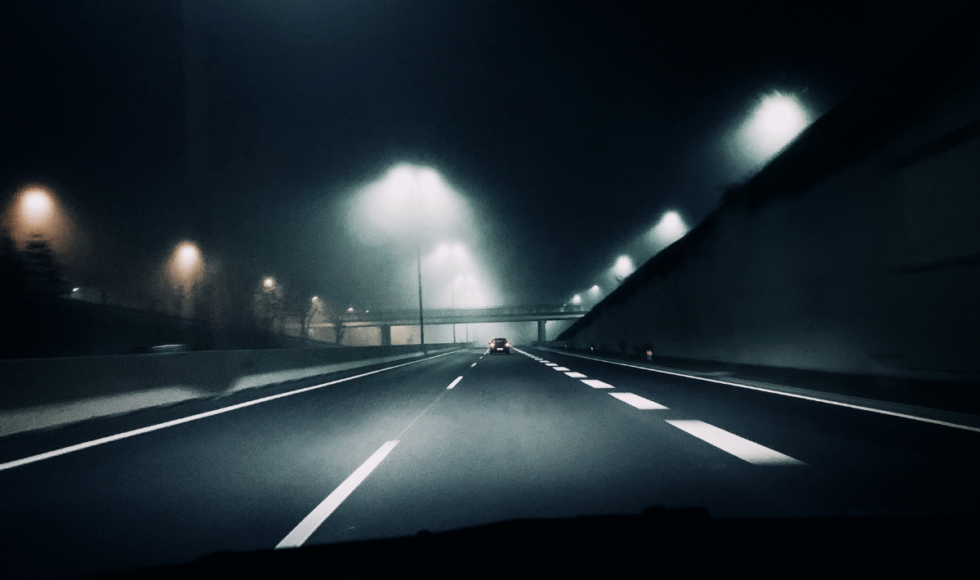
Highway Hypnosis vs. Distracted Driving: What’s the Difference?
Most drivers know they shouldn’t text, scroll through social media, or eat behind the wheel. But there’s another danger that’s often overlooked: mentally checking out while driving.
Highway hypnosis and distracted driving aren’t the same thing, but both can reduce your ability to react when seconds matter. Understanding the difference can help you become a safer drive, and it may help explain how seemingly routine drives can end in serious accidents.
What Is Highway Hypnosis?
Highway hypnosis, sometimes called “white line fever,” occurs when a driver becomes so accustomed to the road that the drive begins to feel automatic.
You may still be steering, braking, and following traffic laws, but your brain isn’t fully engaged with your surroundings. People sometimes describe arriving at their destination with little memory of the drive.
Highway hypnosis is more likely to happen when:
- Driving the same route every day
- Traveling long stretches of highway
- Driving while tired or fatigued
- Traveling in light traffic with few changes in scenery
While highway hypnosis doesn’t mean you’re asleep at the wheel, it can significantly delay your reaction time if something unexpected happens.
What Is Distracted Driving?
Distracted driving happens when your attention is pulled away from the task of driving.
Distractions generally fall into three categories:
- Visual: Taking your eyes off the road.
- Manual: Taking your hands off the wheel.
- Cognitive: Taking your mind off driving.
Examples include:
- Reading or sending a text
- Adjusting the GPS
- Eating or drinking
- Reaching for an object
- Talking on the phone
- Focusing on a stressful conversation instead of the road
Unlike highway hypnosis, distracted driving usually involves a specific action or distraction competing for your attention.
The Key Difference
The biggest difference is why your attention slips.
With highway hypnosis, your brain becomes less engaged because the drive feels familiar and repetitive. With distracted driving, your attention is actively diverted by something else—whether it’s your phone, a passenger, or another task. Both situations reduce awareness, slow reaction times, and increase the risk of a crash.
Why Back-to-School Season Can Increase Both Risks
As routines return after summer, many people find themselves back on familiar commuting routes. That’s when highway hypnosis becomes more likely.
At the same time, drivers may also face new distractions:
- Checking school notifications
- Navigating changing schedules
- Rushing to work after drop-offs
- Adjusting to heavier traffic and new school zones
The combination of routine and distraction can create dangerous conditions, even for experienced drivers.
How to Stay Focused Behind the Wheel
A few simple habits can help reduce the risk of both highway hypnosis and distracted driving:
- Put your phone on Do Not Disturb before driving.
- Leave early so you don’t feel rushed.
- Scan the road ahead instead of staring only at the vehicle in front of you.
- Take breaks on long drives to stay alert.
- Get enough sleep before driving, especially if you have an early commute.
- Remember that even familiar roads can present new hazards every day.
When Inattention Leads to an Accident
Whether a driver is distracted by a phone or mentally disengaged from the road, the consequences can be the same: serious injuries, expensive medical bills, lost wages, and lasting emotional trauma.
If you’ve been injured because another driver’s lack of attention caused a crash, you may have the right to seek compensation for your losses. An experienced personal injury attorney in San Diego can help you understand your legal options and determine the best path forward.
The Bottom Line
Not every dangerous driver is looking at a phone. Sometimes the greatest risk comes from becoming too comfortable behind the wheel.
Whether you’re driving across town or following your daily commute, staying mentally engaged is one of the most important steps you can take to protect yourself and others on the road.
The experienced San Diego car accident lawyers at Eugene Bruno & Associates wish you and your family safe and happy driving!
 “I would highly recommend Eugene Bruno & Associates! They helped me out with a case of mine and everything worked out perfectly. I worked with Amir, one of the lawyers and he was amazing. Definitely would work with him again. Thank you!”
- Mona Hakim, Google Review- “This people deserve more than 5 stars. I would highly recommend them to anyone.”
- Faisal A., Google Review - “You will not be disappointed hiring these guys. Eugene Bruno & Associates are the best car accident lawyers in San Diego and I recommend them 100%!!”
- Adam C., Google Review - “Take the time to speak with Mr. Bruno, he will definitely help you and guide you and make you feel like family! Best decision I have made, I went with the best. Thank you! Thank you! Thank you!!!!!”
- Lakeisha E., Google Review
 “I would highly recommend Eugene Bruno & Associates! They helped me out with a case of mine and everything worked out perfectly. I worked with Amir, one of the lawyers and he was amazing. Definitely would work with him again. Thank you!”