
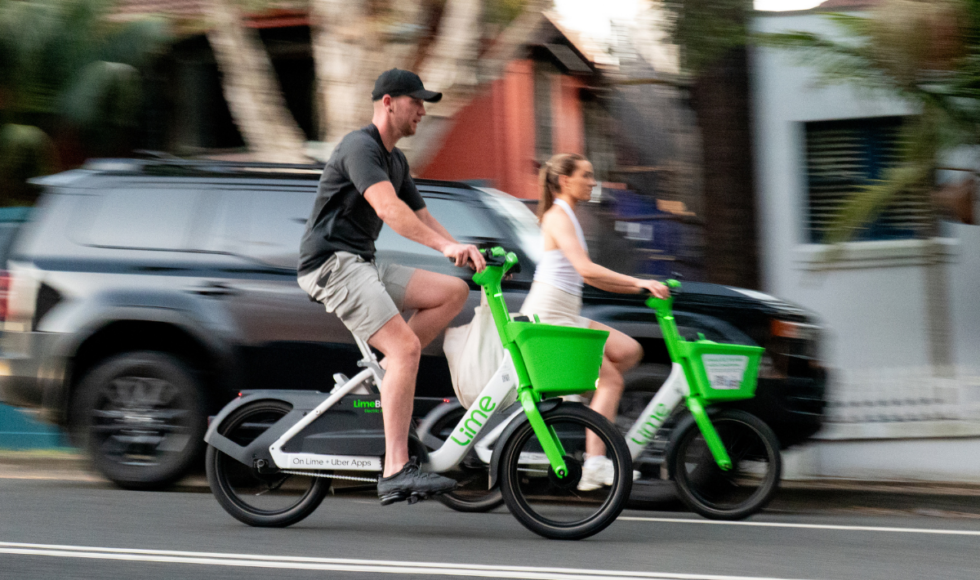
Hit by a Driver Who Passed Too Close in El Cajon? What You Need to Know About California’s 3-Feet Passing Law
Cycling is a popular way to commute, exercise, and enjoy Southern California’s beautiful weather. Unfortunately, many cyclists in El Cajon face a serious danger every time they share the road with motor vehicles: drivers who pass too closely.
A vehicle that squeezes past a cyclist without leaving enough room can cause devastating collisions by forcing bike riders off the road, striking them directly, or causing them to crash while attempting to avoid impact.
To help protect cyclists, California enacted the Three Feet for Safety Act. This law requires motorists to maintain a safe distance when passing bicyclists. It also provides an important legal foundation for injured riders who were injured when a driver got too close.
If you were injured by a careless driver, talk to the El Cajon bicycle accident lawyers at Eugene Bruno & Associates. We can review your case and advise you about your options for seeking compensation to cover the cost of your medical bills and other damages.
Understanding California’s 3 Feet Passing Law
The California Three Feet for Safety Act was designed to reduce preventable bicycle accidents and improve roadway safety. Under California Vehicle Code 21760, drivers overtaking a bicycle traveling in the same direction must provide at least three feet of clearance between their vehicle and the cyclist whenever possible.
The law recognizes that bicycles are legitimate users of California roadways and deserve adequate space to operate safely. When three feet of clearance cannot be maintained due to road conditions, traffic, or lane width, motorists must slow to a reasonable and prudent speed and only pass when doing so does not endanger the cyclist.
Violations of Three Feet for Safety Act can serve as powerful evidence in a personal injury claim because they demonstrate that a motorist failed to comply with a safety law specifically intended to protect bicyclists.
Why It Is Dangerous When a Car Gets Too Close to a Bicycle
Unlike occupants of passenger vehicles, bicyclists have little protection during a collision. Even a slight impact from a passing vehicle can result in catastrophic injuries.
Common scenarios involving a car that passes a bike too closely include:
- A vehicle’s side mirror striking a cyclist
- A motorist forcing a bicyclist off the roadway
- A cyclist swerving to avoid a passing vehicle and crashing
- A driver passing too closely before making a right turn
- A commercial vehicle creating dangerous wind turbulence near a cyclist
- A driver clipping a bicycle while attempting to squeeze through a narrow lane
How the Three Feet Passing Law Helps Cyclists Prove Negligence
In personal injury law, negligence occurs when someone fails to exercise reasonable care and causes harm to another person. One of the most important aspects of proving fault in bicycle accident cases is demonstrating that the driver violated a traffic law or acted unreasonably under the circumstances.
When a motorist violates California Vehicle Code 21760, that violation may support a claim that the driver was negligent. Evidence showing the driver failed to leave the required three feet of clearance can significantly strengthen a cyclist’s injury claim.
The Importance of Witness Statements
Independent witnesses can be among the strongest pieces of evidence in a bicycle accident case. Many close-pass crashes occur quickly, and the driver may deny passing too closely. Neutral witnesses who observed the incident can provide valuable testimony regarding:
If you feel up to it, it’s a good idea to request the names and contact information from anyone who witnessed a crash. Witness accounts often help corroborate a cyclist’s version of events and this may become critical during settlement negotiations or litigation.
Video Footage Can Be Powerful Evidence
Video evidence has become increasingly important in modern bicycle accident claims. A skilled bicycle accident lawyer can act quickly to identify and preserve video evidence before it is deleted or overwritten.
Potential sources of video footage include:
- Bicycle Cameras. Many cyclists now use helmet-mounted or handlebar-mounted cameras that continuously record rides. These recordings can provide direct evidence of how the collision occurred.
- Dash Cameras. Passing vehicles, nearby motorists, or rideshare drivers may have dashcam footage capturing the incident.
- Surveillance Cameras. Businesses, homes, and public facilities near the accident scene may have surveillance footage that recorded the collision.
- Traffic Cameras. In some cases, government-operated traffic cameras may provide useful information regarding roadway conditions and vehicle movements.
Using Police Crash Reports to Support Your Claim
After a bicycle accident, law enforcement officers often prepare a traffic collision report. These reports may contain valuable information such as:
- Driver statements
- Witness statements
- Officer observations
- Measurements from the scene
- Vehicle positioning
- Citations issued
- Preliminary fault determinations
If an officer notes that the driver violated California Vehicle Code 21760, that finding can provide additional support for your claim.
Physical Evidence Matters
Physical evidence can tell an important story about what occurred during a bicycle crash. include:
Damage to the Bicycle
Scrapes, dents, bent wheels, and impact points may help accident reconstruction experts determine how the collision occurred.
Vehicle Damage
Damage to side mirrors, doors, or fenders may support allegations that the driver passed too closely.
Roadway Evidence
Skid marks, debris fields, and tire tracks can help establish vehicle movements and collision dynamics.
Injuries
Medical records and photographs documenting injuries provide evidence of the severity of the crash and the damages that you suffered.
Speak With an Experienced El Cajon Bicycle Accident Lawyer
At Eugene Bruno & Associates, we help injured cyclists throughout El Cajon and the San Diego area pursue justice after serious bicycle accidents. Our legal team understands the evidence needed for proving fault in bicycle accident claims, and we work aggressively to hold negligent drivers accountable.
Eugene Bruno & Associates has a 99.7% success rate, and we have recovered over $100 million. With more than 5,000 satisfied clients, our firm has built a reputation for helping injured victims throughout Southern California.
To learn more, call 1-888-BRUNO-88 (1-888-278-6688) and schedule a free consultation today.
Frequently Asked Questions About California’s 3-Feet Passing Law
What is California’s 3-feet passing law?
California’s Three Feet for Safety Act, codified in California Vehicle Code 21760, requires drivers to leave at least three feet of space when passing a bicyclist traveling in the same direction. If a driver cannot safely provide three feet of clearance, they must slow down and wait until it is safe to pass.
Can I file a claim if a driver passed too close but did not directly hit me?
Yes. If a driver passed too closely and caused you to crash while trying to avoid a collision, you may still have a valid injury claim. Even without direct contact between the vehicle and bicycle, the driver’s negligent actions may make them liable for your injuries and damages.
How can I prove a driver violated California Vehicle Code 21760?
Evidence that may help prove a violation includes witness statements, helmet camera footage, dashcam recordings, surveillance video, police reports, photographs of the accident scene, and expert accident reconstruction analysis. The stronger the evidence, the easier it may be to establish negligence.
What compensation can I recover after a bicycle accident caused by a close pass?
Depending on the circumstances, injured cyclists may be entitled to compensation for medical expenses, lost wages, future medical care, pain and suffering, emotional distress, rehabilitation costs, and damage to their bicycle and other personal property.
Why should I hire a bicycle accident lawyer for an accident claim?
An El Cajon personal injury attorney can investigate the crash, preserve critical evidence, negotiate with insurance companies, and build a strong case showing that the driver failed to comply with California’s 3-feet passing law.
 “I would highly recommend Eugene Bruno & Associates! They helped me out with a case of mine and everything worked out perfectly. I worked with Amir, one of the lawyers and he was amazing. Definitely would work with him again. Thank you!”
- Mona Hakim, Google Review- “This people deserve more than 5 stars. I would highly recommend them to anyone.”
- Faisal A., Google Review - “You will not be disappointed hiring these guys. Eugene Bruno & Associates are the best car accident lawyers in San Diego and I recommend them 100%!!”
- Adam C., Google Review - “Take the time to speak with Mr. Bruno, he will definitely help you and guide you and make you feel like family! Best decision I have made, I went with the best. Thank you! Thank you! Thank you!!!!!”
- Lakeisha E., Google Review
 “I would highly recommend Eugene Bruno & Associates! They helped me out with a case of mine and everything worked out perfectly. I worked with Amir, one of the lawyers and he was amazing. Definitely would work with him again. Thank you!”