
Car Accident Archive

What Is My Claim Worth?
“Damages” is the legal term for the measure of your injury caused by the negligence of a third person. When talking about an injury caused by a motor vehicle accident or other types of accident, there are 3 types of damages you may be entitled to.

How Insurance Companies Use Your Personal Information
If you have been involved in an accident in San Diego, you can expect to be contacted by a claim adjuster from the other party’s insurance company. The claim adjuster will request certain personal information, including your full name, address, date of birth and Social Security number. The claim adjuster also may request the name of your primary care doctor or your health insurance. You may be told that this information is required to open a claim or maybe that no settlement check can be issued without this information. Do you give the claim adjuster your personal information?

Hands-Free Texting Legal While Driving for 2013
It’s still unlawful to pull out your smartphone and start texting, but hands free texting (such as using Apple’s Siri) is now legal in California for 2013. You can still be ticketed if you are operating your smartphone while it is in your hand.
Low Speed Impacts
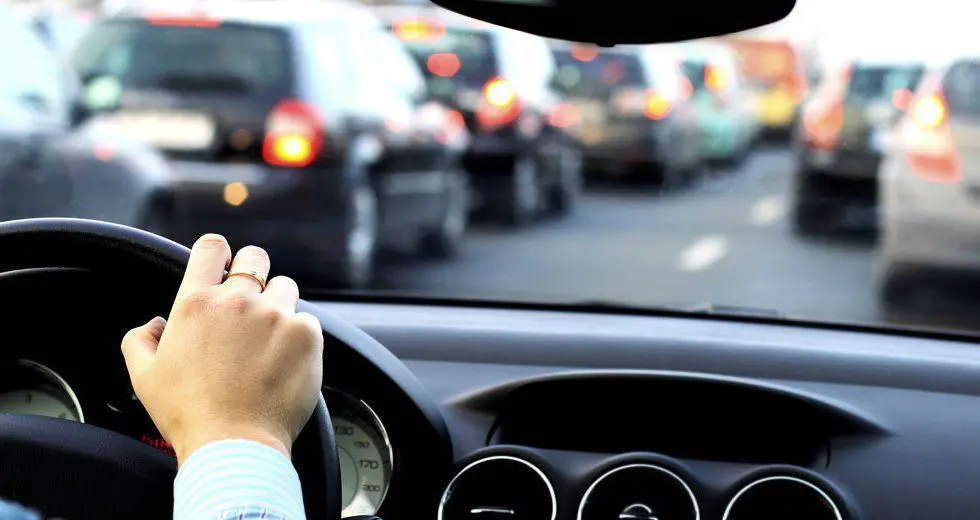
Have you been told by the claims adjuster there wasn’t enough damage to the vehicles to have caused an injury? Its a tactic meant to intimidate you from seeing a doctor. Just because the damage to the cars doesn’t look bad, does not mean you can’t be injured.

Replacing Child Safety Seats After an Accident
Insurance companies frequently refuse to replace child safety seats after an accident. Typically, they will tell you the seat does not appear to be damaged or they are only obligated to replace the seat if the child was in the vehicle at the time.
Do You Need a Police Report to Prove Fault in a Traffic Accident?
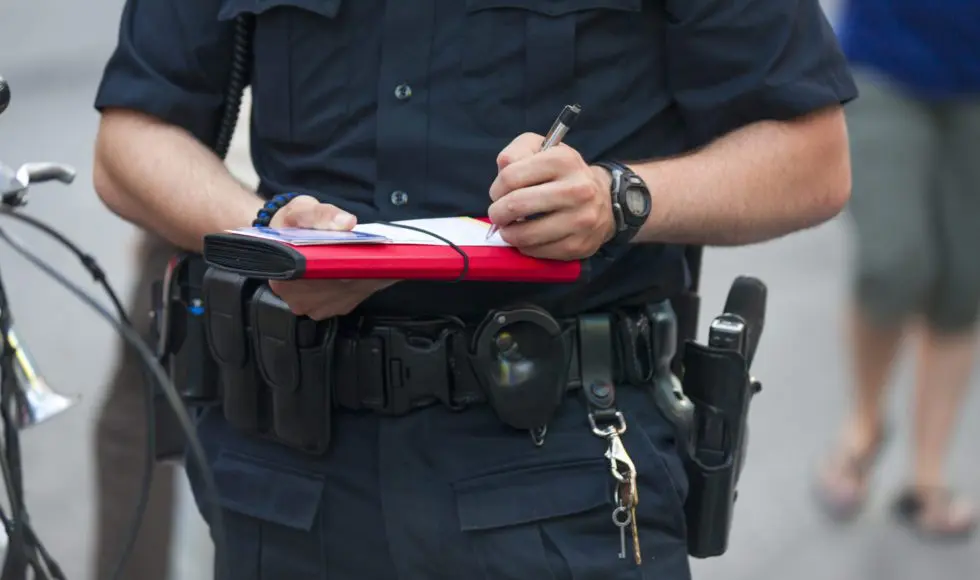
Determining who is at fault for a traffic accident is generally a matter of identifying who was careless, or negligent, in a particular situation. In some traffic accidents, it is easy to tell which party acted negligently and is, therefore, at fault. In other cases, determining who is at fault will require a more in depth analysis of the facts and circumstances of the accident. In those cases requiring more in depth analysis, you will make a stronger argument if your can support your case with evidence.
Do I Need a Police Report?
The answer depends on the facts and circumstances of the particular accident. However, for most minor accidents, you may not need a police report. For example, if no one is injured, the damage is minor, and all drivers are insured, then a police report is probably unnecessary. In those cases, a simple exchange of information should be sufficient.

MediCare and MediCal and Other Liens
Clients are often surprised to hear their Medicare, MediCal, or TriCare benefits come with strings attached. These health insurance programs expect to be reimbursed for the reasonable value of any treatment you receive after an auto accident and you must make sure your attorney is aware of these benefits so that these liens are properly addressed.

Jury Nullification
The Daily Beast posted a very interesting article on jury nullification earlier this week. Jury nullification occurs when a jury disregards the law and delivers a verdict they feel represents real justice. In our legal system, juries serve only as “finders of fact,” whose role it is to determine the truthfulness of the evidence but not the application of the law to that evidence. It doesn’t always work out that way.

Comparative Fault
Comparative fault is the legal principle that more than one party can be responsible for causing an injury. This principle allows fault to be divided among parties. For example, in a 2 car accident, the driver whose car was rear-ended by another car may have braked unnecessarily, thus contributing to the accident. The driver whose car rear ended the car ahead of him may have been speeding or following too closely, thus also contributing to the accident. Based on all the evidence at trial, a jury could find the parties 50-50 responsible for the accident … or it could be 60-40 or some other number, depending on the specific facts.
 “I would highly recommend Eugene Bruno & Associates! They helped me out with a case of mine and everything worked out perfectly. I worked with Amir, one of the lawyers and he was amazing. Definitely would work with him again. Thank you!”
- Mona Hakim, Google Review- “This people deserve more than 5 stars. I would highly recommend them to anyone.”
- Faisal A., Google Review - “You will not be disappointed hiring these guys. Eugene Bruno & Associates are the best car accident lawyers in San Diego and I recommend them 100%!!”
- Adam C., Google Review - “Take the time to speak with Mr. Bruno, he will definitely help you and guide you and make you feel like family! Best decision I have made, I went with the best. Thank you! Thank you! Thank you!!!!!”
- Lakeisha E., Google Review
 “I would highly recommend Eugene Bruno & Associates! They helped me out with a case of mine and everything worked out perfectly. I worked with Amir, one of the lawyers and he was amazing. Definitely would work with him again. Thank you!”